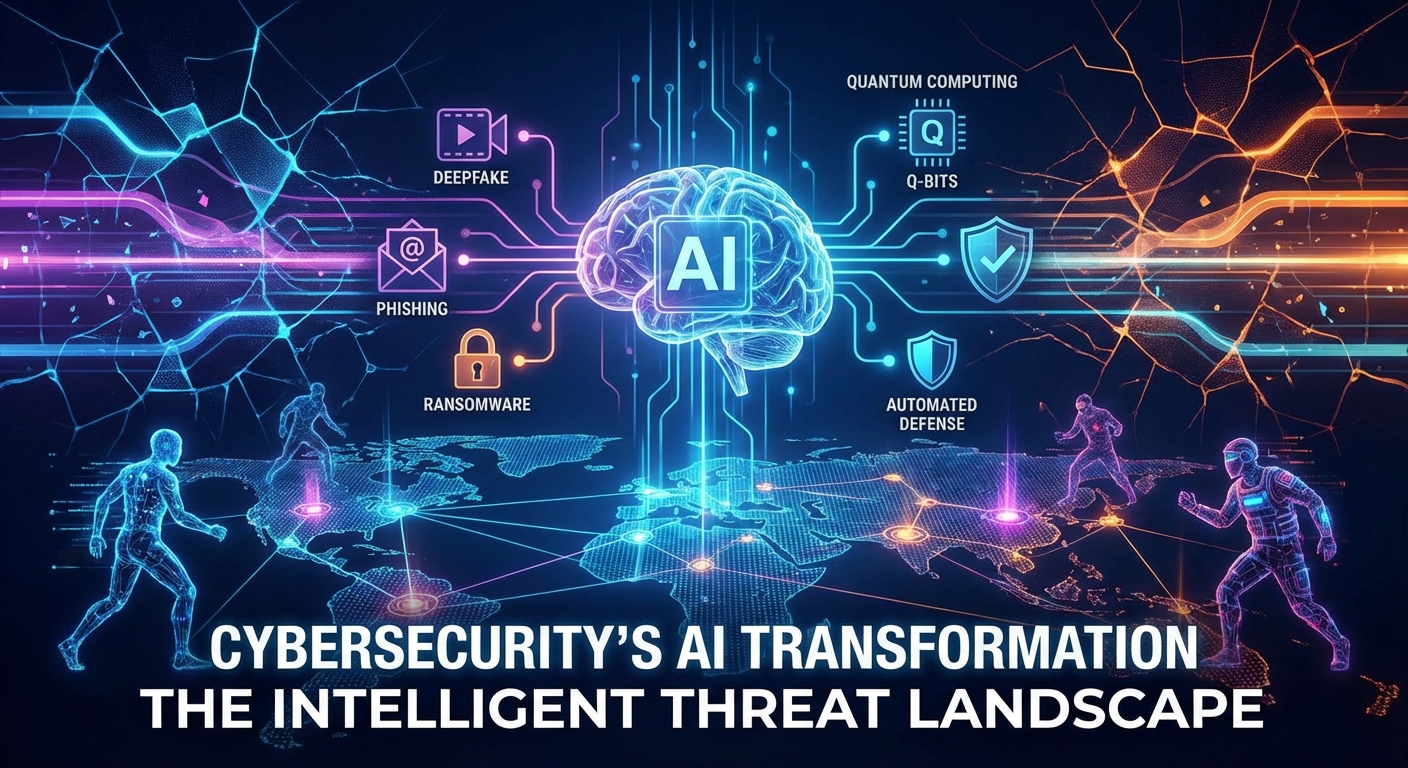
The cybersecurity landscape is undergoing a seismic transformation, shaped by rapid advancements in artificial intelligence, automation, and emerging technologies. As we look ahead, it’s becoming increasingly clear that defenders and attackers alike are embracing AI-driven tools, making the digital battlefield more complex and perilous than ever before.
One of the most concerning developments is the rise of AI-enhanced scams. Cybercriminals are now leveraging artificial intelligence to craft highly personalized phishing attacks, deepfake audio and video messages, and real-time manipulation of communication channels. These AI-powered deception techniques make it increasingly difficult to distinguish between legitimate and malicious interactions, eroding traditional trust cues and threatening both individual users and large enterprises.
In parallel, ransomware continues its evolution. Modern ransomware attacks are no longer just about locking files and demanding payment. Today, threat actors use double and even triple extortion tactics, where they steal data, encrypt it, and threaten to publicize or sell it if demands aren’t met. Automation plays a critical role here, enabling ransomware-as-a-service (RaaS) platforms to streamline and scale attacks with remarkable efficiency. The result is a thriving underground economy that equips even low-skilled cybercriminals with powerful, easy-to-deploy tools.
Compounding these threats is the looming challenge of quantum computing. While still in its early stages, quantum technology poses a potentially existential risk to current encryption standards. Once quantum computers reach sufficient power, they could break widely used cryptographic protocols in a fraction of the time it would take classical computers. Although practical quantum threats may still be years away, nations and organizations are already investing in quantum-resistant encryption strategies to prepare for a post-quantum future.
Automation, once seen as a boon only to defenders, is now a double-edged sword. Cybersecurity teams are embracing intelligent automation to accelerate threat detection and response, reduce false positives, and enhance visibility across complex environments. However, attackers are doing the same, using AI to uncover vulnerabilities, evade detection, and launch attacks at scale. This arms race underscores the urgency of investing in AI-driven defense systems that can adapt in real time.
As we move forward, the convergence of AI, automation, and emerging technologies like quantum computing will push cybersecurity into uncharted territory. Organizations need to prioritize proactive approaches—investing in AI-enabled detection, training teams on recognizing AI-powered threats, and preparing for the quantum shift. Only by staying a step ahead can we hope to navigate this increasingly intelligent threat landscape.