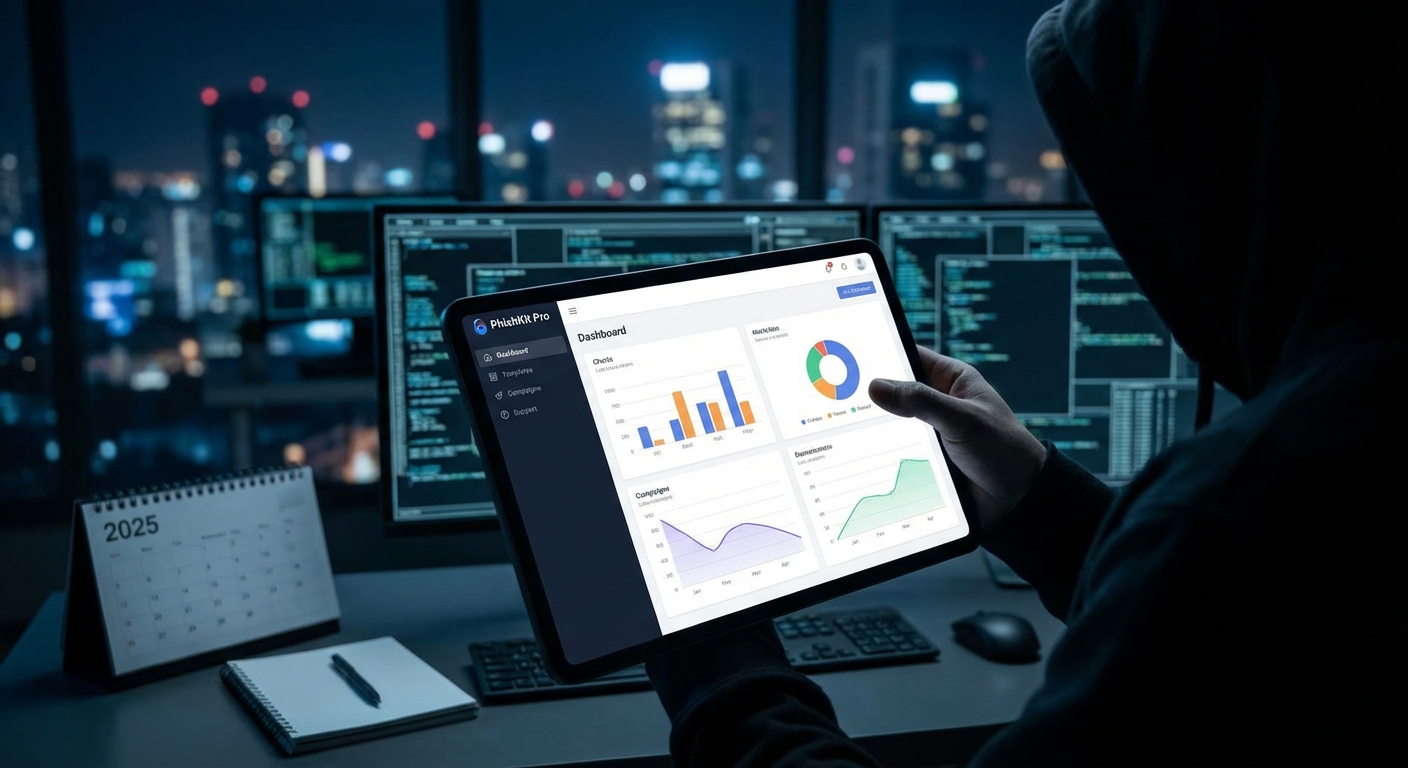
In 2025, the landscape of cybercrime has shifted dramatically, and one of the most notable developments is the rise of criminal Phishing-as-a-Service (PhaaS) kits. These ready-made tools are not only more sophisticated than ever before, but they’ve also become disturbingly accessible to attackers of all skill levels. Gone are the days when phishing campaigns required advanced technical knowledge—today, even a novice can launch convincing attacks with just a few clicks.
The growing popularity of PhaaS kits lies in their simplicity and effectiveness. Mimicking the SaaS (Software-as-a-Service) business model, these kits often come with user-friendly dashboards, templates for fake websites, and extensive support documentation. Some even offer subscription pricing, customer service, and regular updates to evade detection. This commoditization of phishing has opened the floodgates, allowing cybercriminals to target victims at an unprecedented scale.
As a result, traditional indicators of phishing—poor grammar, suspicious URLs, or generic greetings—are less reliable than ever. Modern PhaaS kits use AI and real-time data scraping to personalize messages, replicate branding with uncanny accuracy, and even spoof multi-factor authentication processes. Victims often don’t realize they’ve been compromised until it’s too late.
Security professionals are now grappling with how to defend against this new wave of phishing threats. Prevention strategies must evolve beyond basic email filtering and employee training. Organizations are turning to behavioral analytics, machine learning, and threat hunting to identify phishing campaigns before they can do damage. Additionally, key to fighting PhaaS is disrupting the underlying infrastructure—going after the marketplaces, sellers, and hosting services that power these toolkits.
The rise of PhaaS kits marks a troubling shift in the cyber threat landscape. As these tools become even more mature and widespread, the urgency for adaptive, proactive security measures has never been greater. Businesses must recognize that phishing is no longer a low-level annoyance; it’s a professional-grade threat that demands a professional-grade response.